
学校地址:广东省东莞市高埗镇广场北路19号
学校邮箱: enquiry@asj-dg.com
招生电话: (+86)0769-88785333
邮政编码:523270


新闻活动
IB 幼儿园到底在学什么?
2026年02月24日

What Do Children Really Learn in an IB Early Years?
IB 幼儿园到底在学什么?
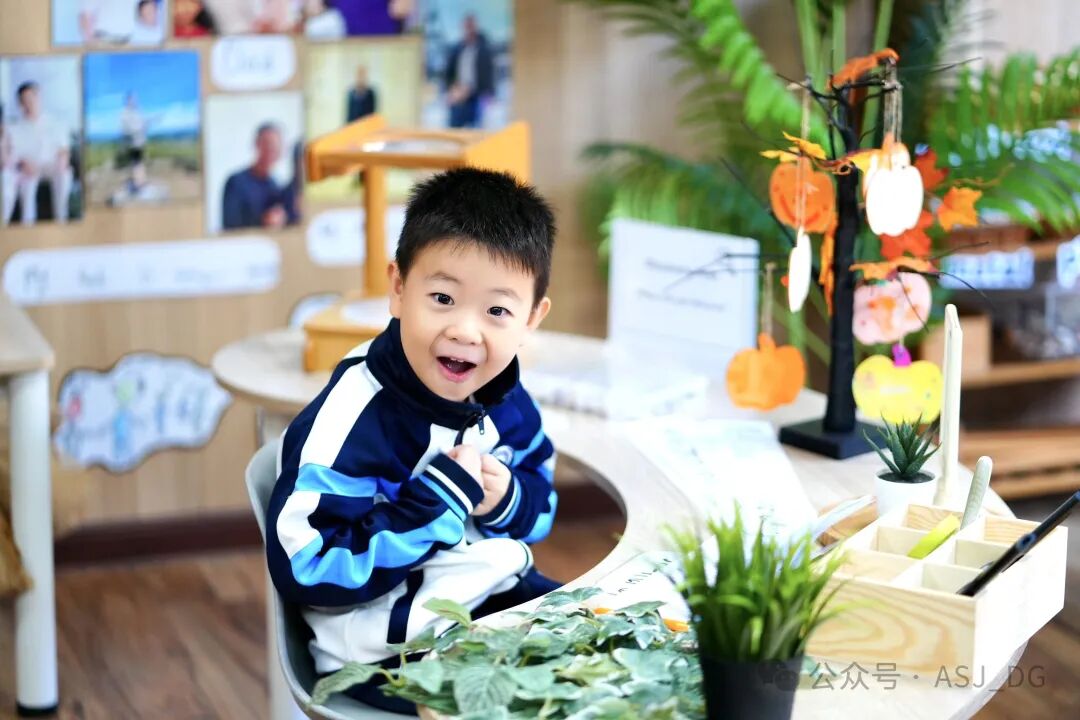
One of the first questions parents ask when they visit an IB Early Years is simple and sincere:
很多家长第一次走进 IB 幼儿园,都会问一句话:
"What exactly are children learning here?"
“孩子在这里到底学什么?”
They see children building with blocks, painting, discussing ideas, and conducting small experiments. They hear their child say at home, “We were playing today.” And naturally, a deeper question follows:
他们看到孩子在搭建积木、画画、讨论问题、做小实验。他们听到孩子回家说:“今天我们在玩。”于是,一个更深的问题出现了——
"Is this real learning?"
“这是真正的学习吗?”
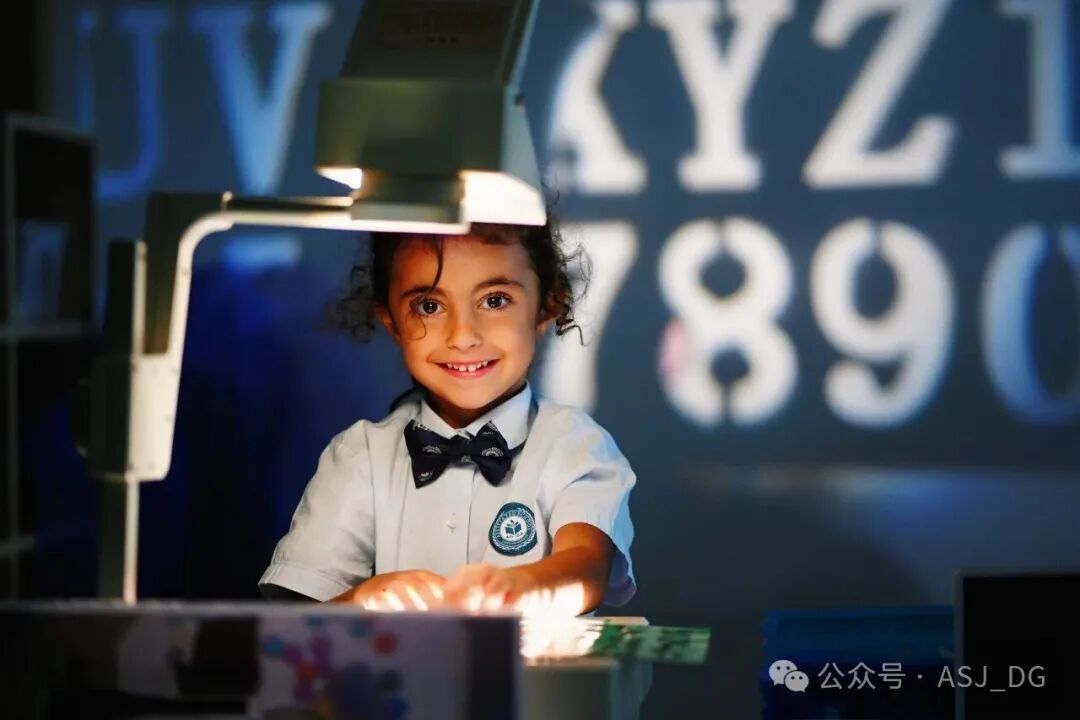
Within an authentic IB Primary Years Programme (PYP) Early Years framework, learning is not about introducing academic content early. It is about helping children learn how to learn.
在真正的 IB 幼儿阶段(PYP Early Years)里,学习的核心从来不是提前学知识,而是学习如何学习。
In an IB Early Years, Children Learn to Ask Questions
在 IB 幼儿园,孩子学的是“提问”
Inquiry-based learning lies at the heart of the IB philosophy. Inquiry begins with questions rather than answers.
IB 强调探究式学习(Inquiry-based Learning)。探究不是老师给答案,而是从问题开始。
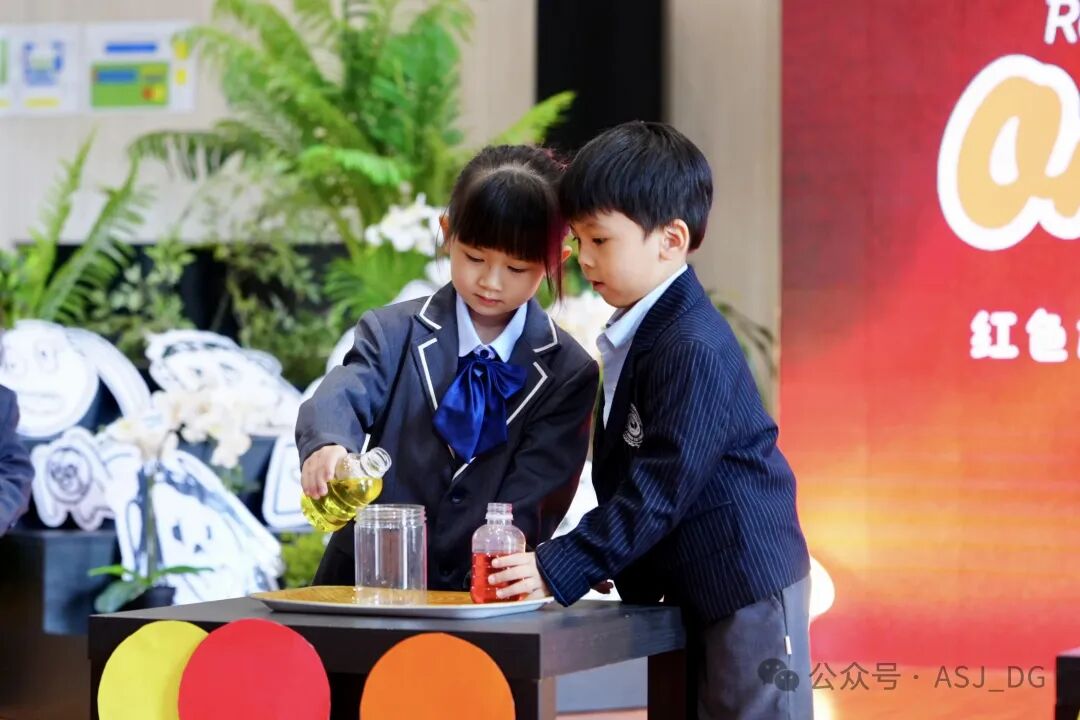
For example, when children explore plants, teachers do not begin with definitions or explanations. Instead, they guide children to ask:
例如,当孩子在观察植物时,老师不会直接讲解“植物的结构”,而是引导孩子问:
Why do leaves have different shapes? 为什么叶子有不同的形状?
What does a plant need in order to grow? 植物需要什么才能生长?
What might happen without sunlight? 如果没有阳光会发生什么?
Questions invite children to become active participants in their own learning. This habit of inquiry forms the foundation of lifelong learning.
问题,让孩子成为学习的主动者。这一步,是终身学习的起点
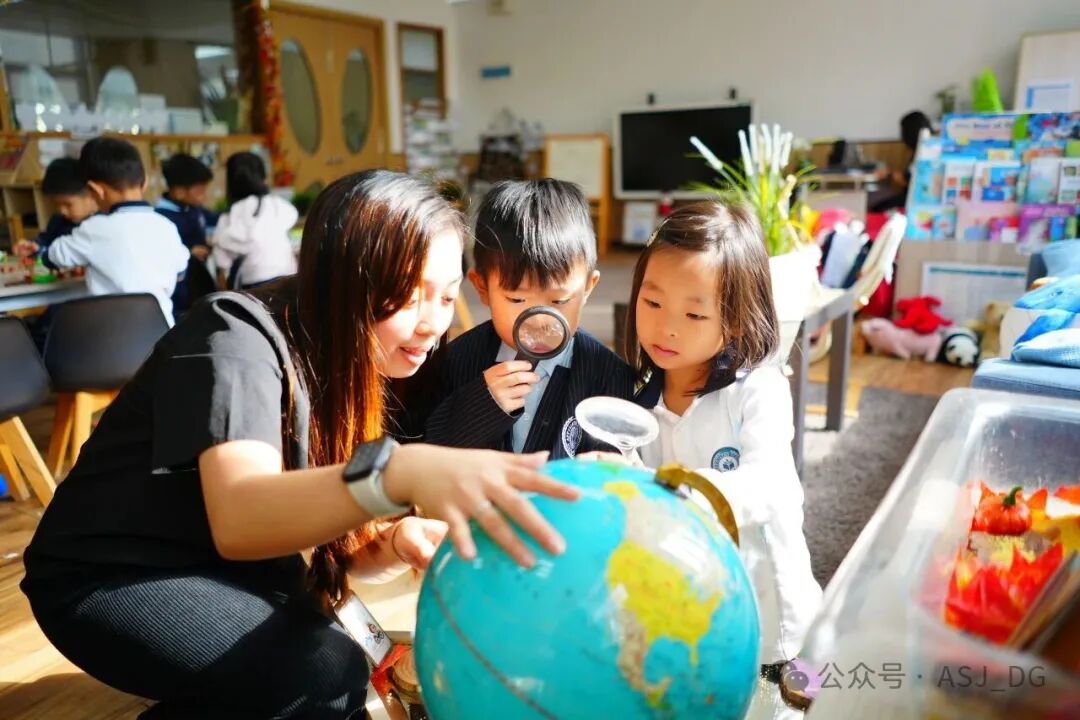
Integrating Reggio Emilia: The Environment as the Third Teacher
融合瑞吉欧理念让环境成为“第三位老师”
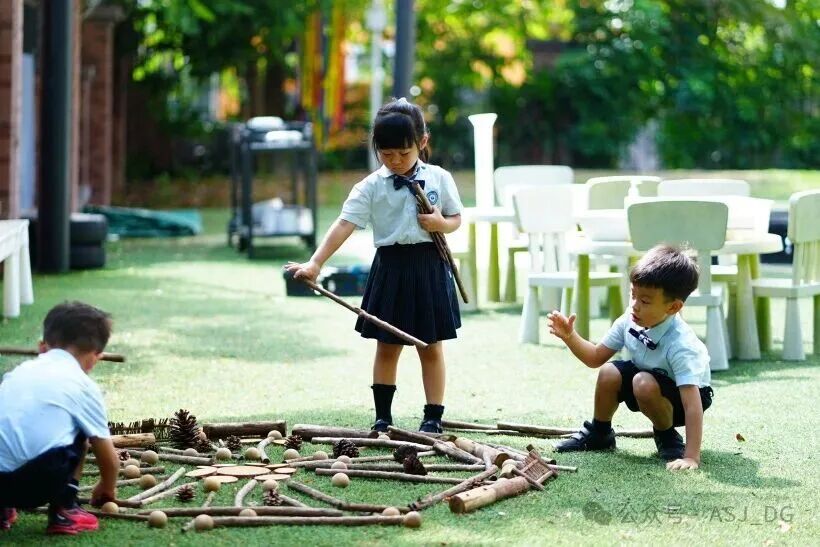
At ASJ Dongguan, our IB Early Years programme integrates key principles from the Reggio Emilia approach within the PYP framework.
在东莞暨大港澳子弟学校的 IB 幼儿部,我们在 PYP 框架下融入瑞吉欧(Reggio Emilia)教育理念。
Reggio Emilia emphasises three essential ideas:瑞吉欧强调三个核心:
1. Children express themselves in “a hundred languages.” 孩子拥有表达的“100种语言”
2. The environment supports and inspires learning. 环境是孩子学习的支持者
3. Documentation makes learning visible. 记录与观察帮助学习可见化
In practice, this means 这意味着:
Children’s drawings, constructions, conversations, and ideas are thoughtfully documented.
孩子的绘画、搭建、对话,都被认真记录
Learning spaces are intentionally designed to encourage exploration and collaboration.
教室空间经过设计,鼓励探索与合作
Teachers observe carefully and use documentation to understand each child’s interests and developmental rhythm.
老师通过观察与记录,了解每个孩子的兴趣与发展节奏
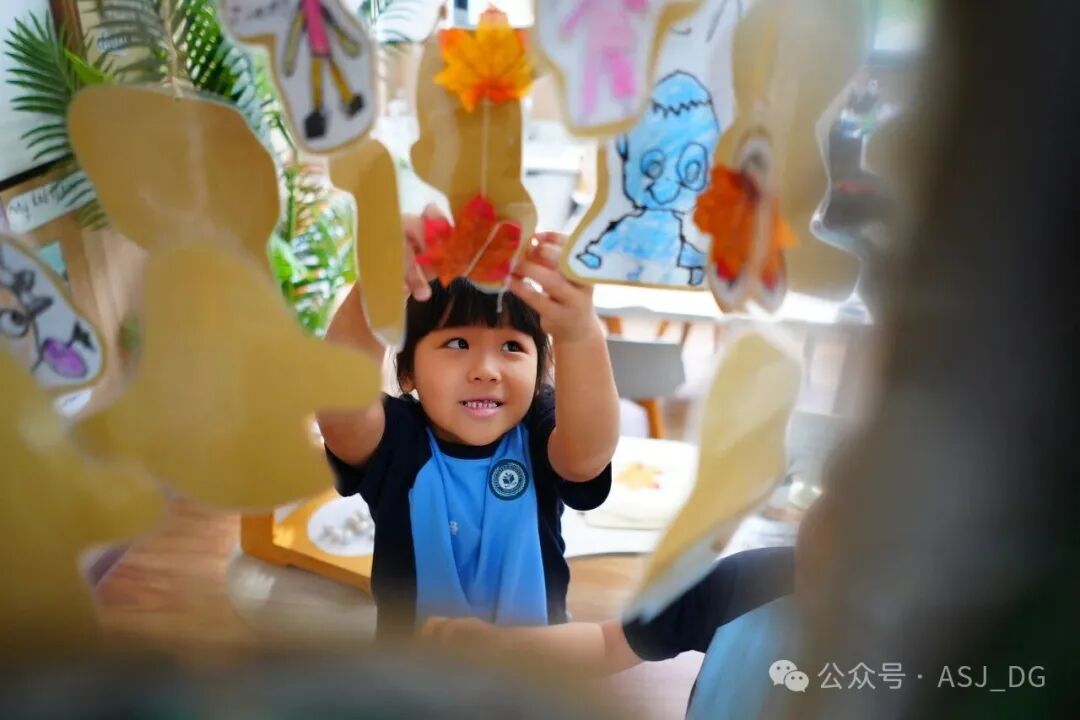
Learning is not standardised. It grows from children’s authentic curiosity. 学习不是统一标准,而是基于孩子真实兴趣展开。
Freedom and Structure Exist Together
在 IB 幼儿园规则与自由同时存在
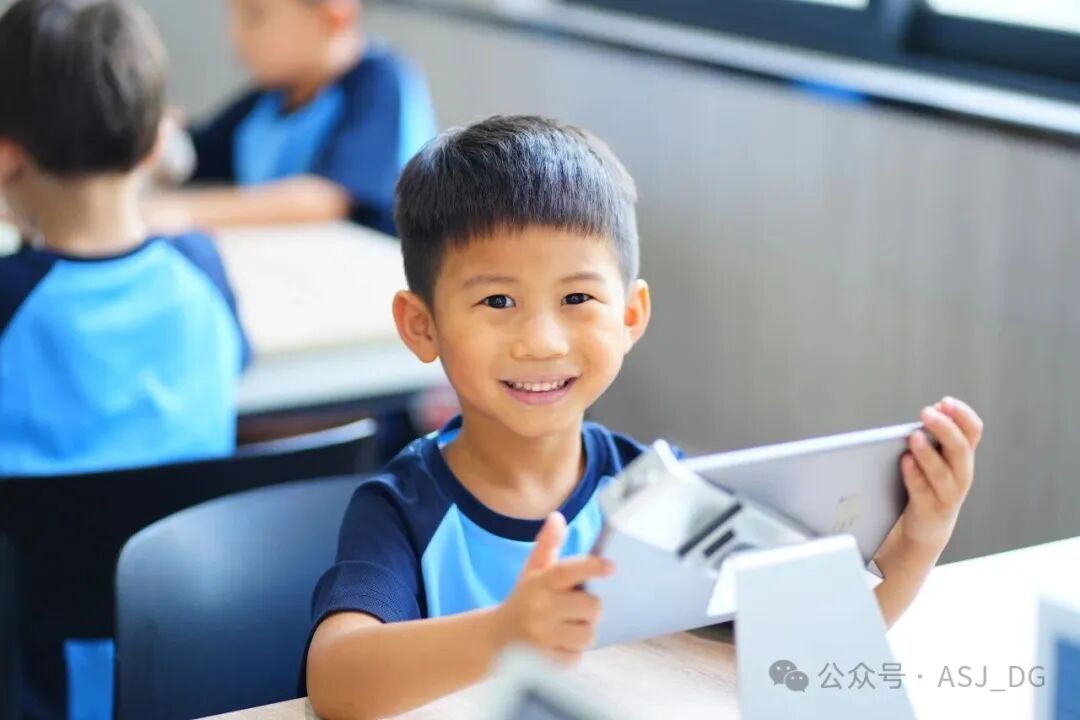
Inquiry does not mean the absence of structure. IB classrooms are grounded in the IB Learner Profile, which encourages students to become:
探究并不等于无序。IB 课堂非常重视“学习者特质”(Learner Profile),例如:
Principled 有原则的
Communicators 善于交流的人
Thinkers 善于思考的人
Inquirers 积极探究的人
Knowledgeable 知识渊博的人
Open-minded 胸襟开阔的人
Caring 懂得关爱的人
Risk-takers 勇于尝试的人
Balanced 全面发展的人
Reflective 及时反思的人
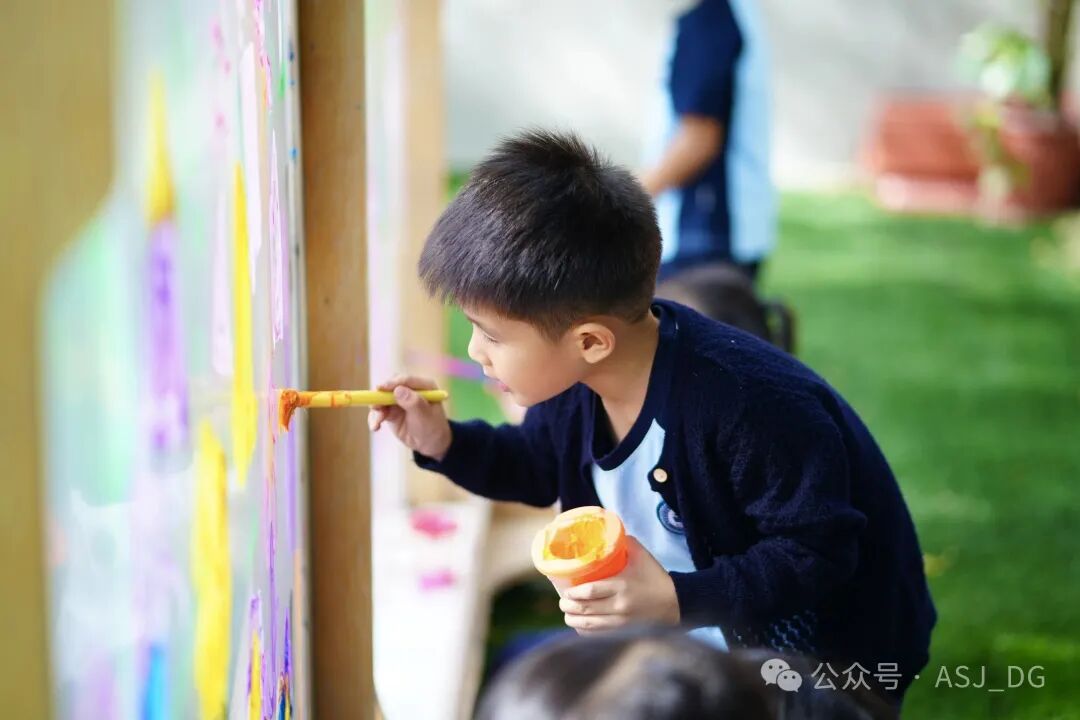
As children share ideas, they learn to listen. 孩子在表达观点时,也学习倾听;
As they collaborate, they develop responsibility. 在合作时,也学习责任;
As they explore, they practise sustained focus. 在探索时,也学习专注。
This balance between structure and autonomy creates a secure and purposeful learning environment. 这种平衡,让孩子在安全、有结构的环境中成长。
We Focus on Building a Strong Learning Foundation
我们关注的是孩子的能力结构
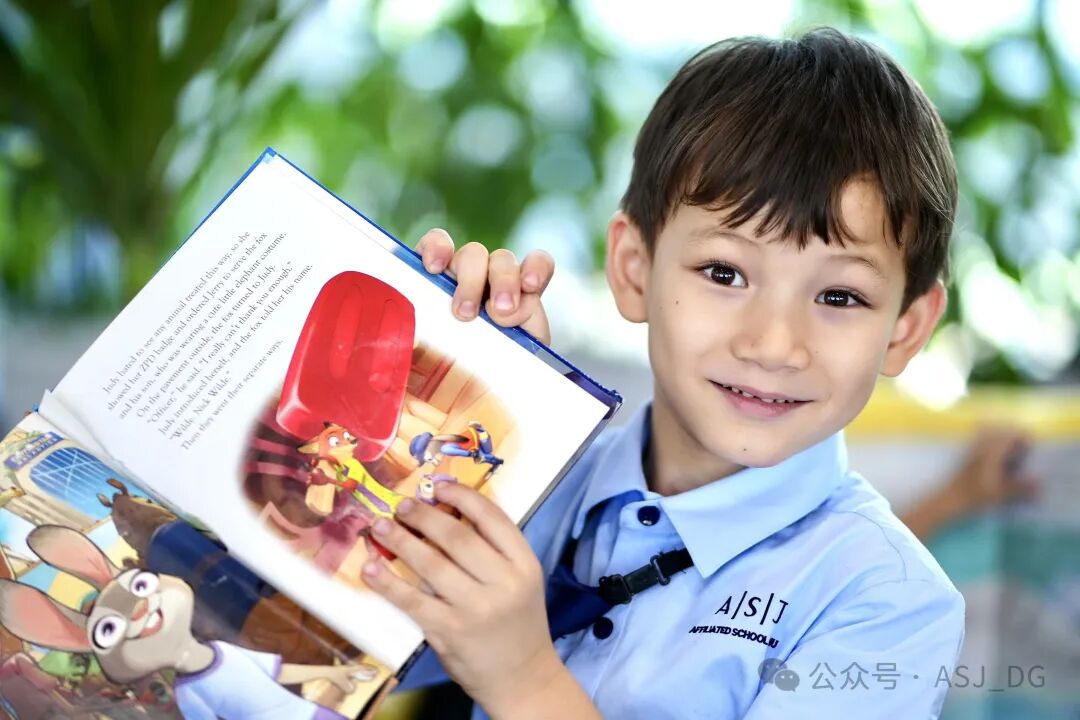
Parents often ask about English.
很多家长会问:“那英文呢?”
Language plays an important role, yet in the Early Years it serves as a tool rather than the ultimate goal.
语言在 IB 幼儿阶段是工具,而不是目标。
What matters most at this stage is the development of 真正重要的是:
Communication skills 表达能力
Concentration 专注力
Self-management 自我管理能力
Collaboration 合作能力
Curiosity and confidence 好奇心与自信感
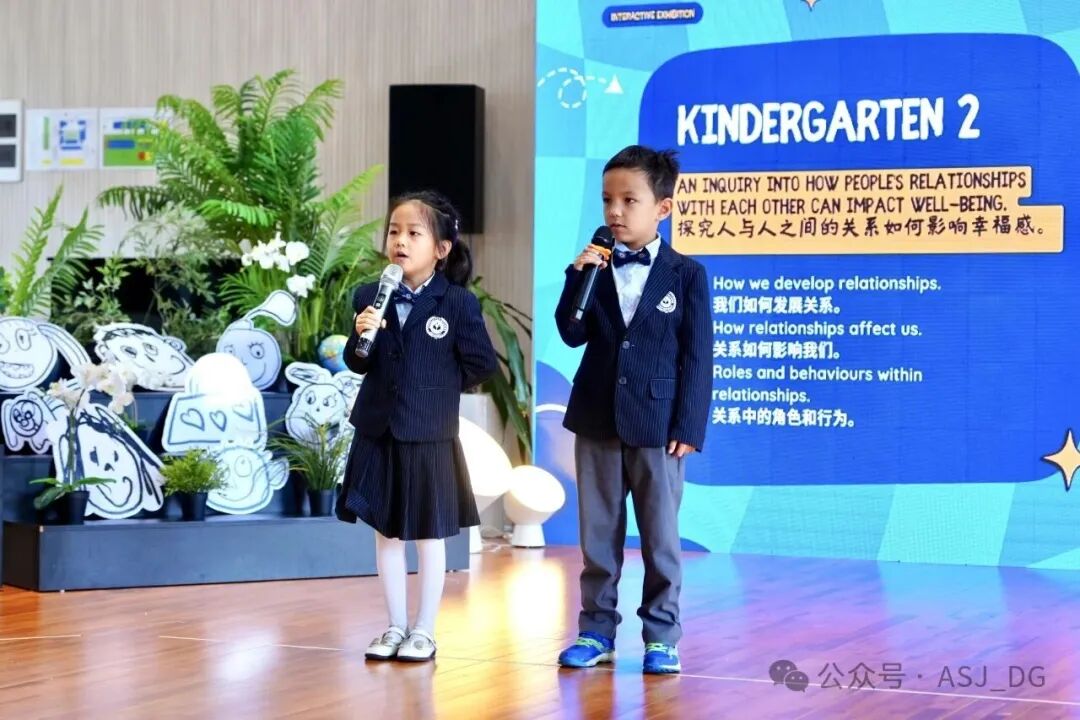
When these foundations are firmly established, language and academic knowledge develop naturally.
当这些能力逐渐建立,语言与知识会自然跟上。
The Outcomes of IB Early Years Education
IB 幼儿园的成果看得见也看不见
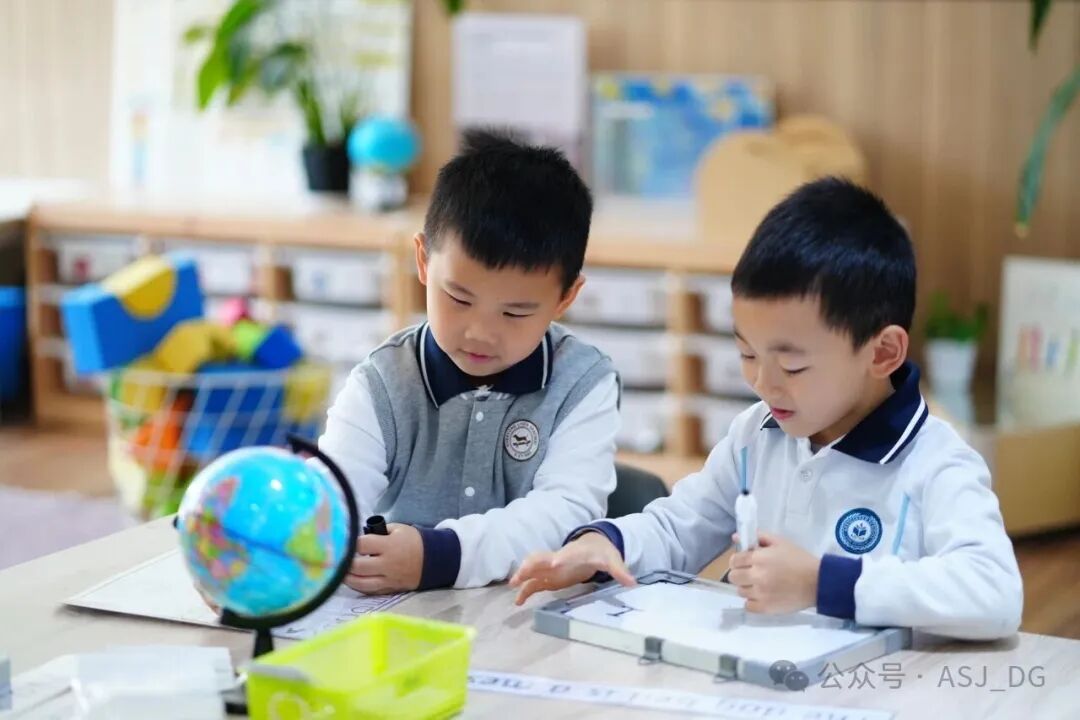
Some outcomes are visible 有些成果是看得见的——
Children express ideas more confidently.
They participate in discussions.
They approach new experiences with openness.
孩子愿意表达,愿意分享,愿意尝试。
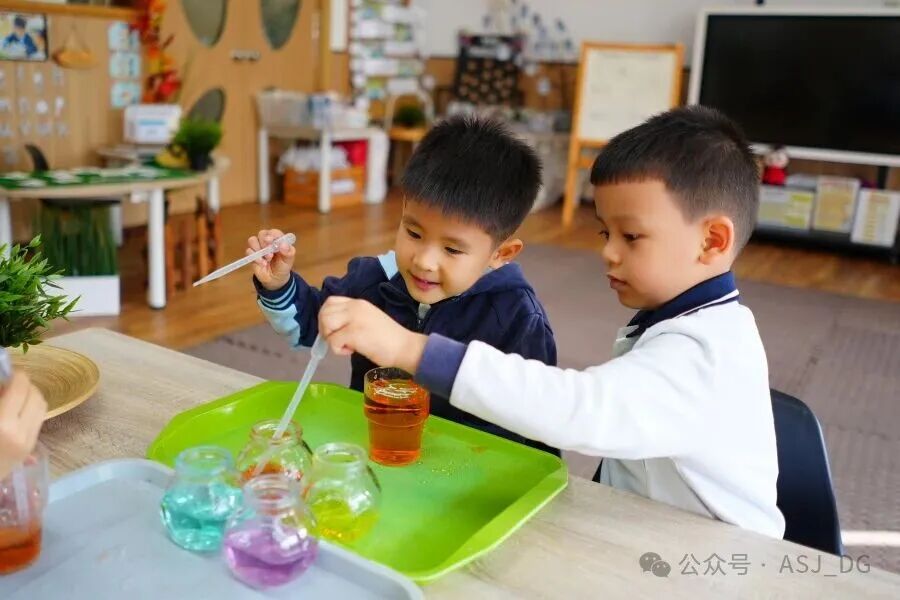
Other outcomes unfold gradually 有些成果是慢慢显现的——
Children demonstrate patience when facing challenges. 孩子面对困难时保持耐心,
They negotiate during group work. 在合作中懂得协商,
They sustain interest in learning over time. 在学习中拥有持续的兴趣。
An IB Early Years education prepares children not only for primary school, but for a lifelong journey of thinking, questioning, and growing.
真正的 IB 幼儿教育,是为小学阶段打下思考与探究的基础,也是为未来更长远的学习旅程建立内在动力。
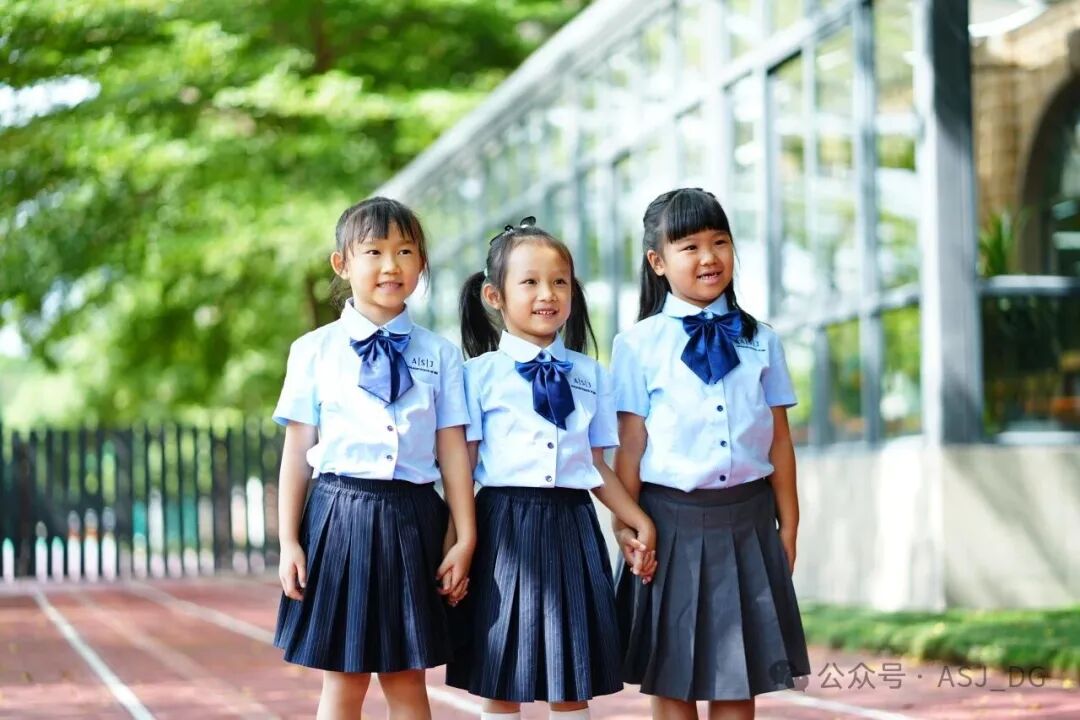
At ASJ Dongguan, we believe that early childhood education is not measured by how much content a child acquires, but by how confidently and thoughtfully a child learns.
在东莞暨大港澳子弟学校,我们相信:幼儿阶段的教育,不在于学了多少内容,而在于孩子是否建立了健康的学习方式。
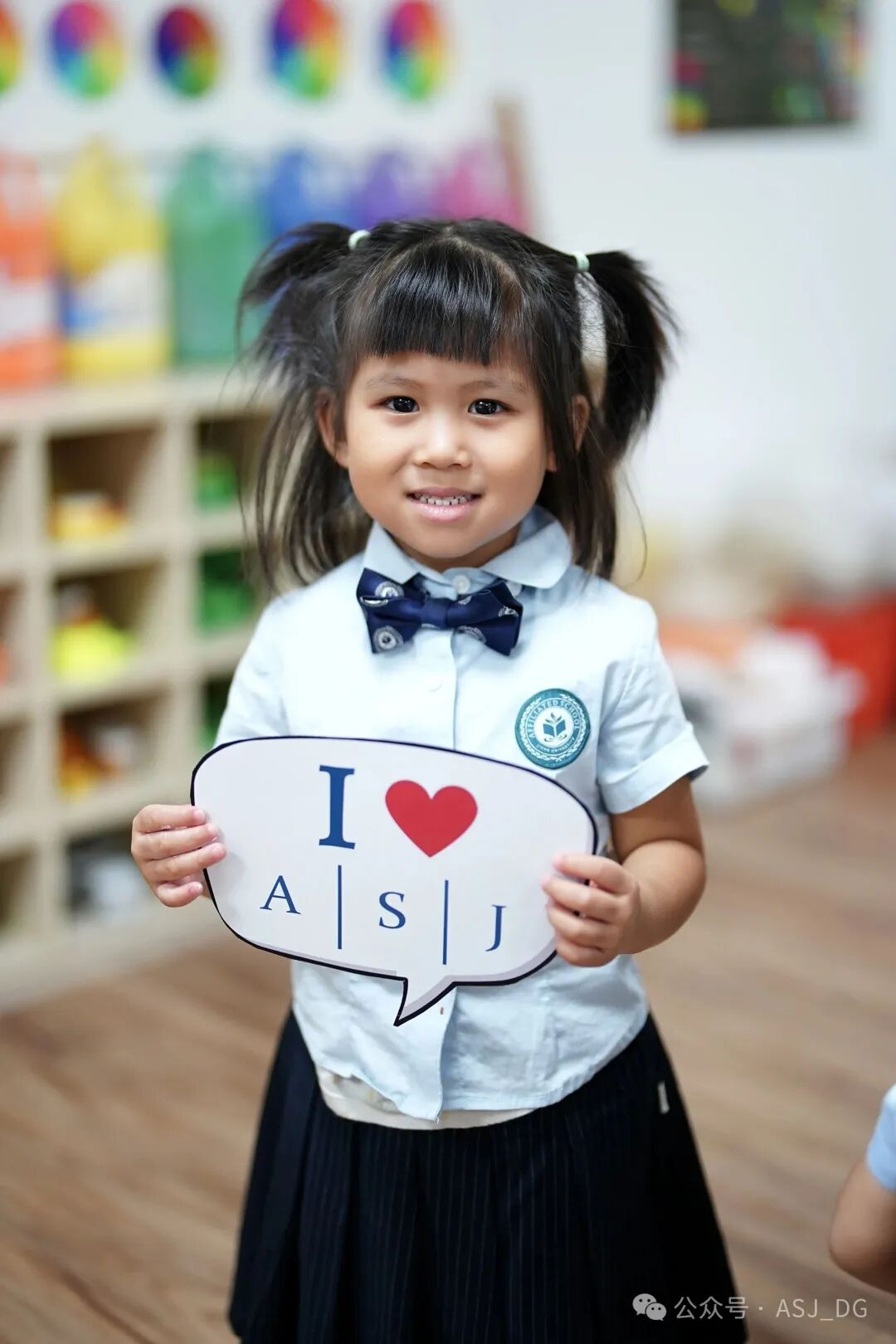
When children enter the classroom with curiosity, leave with meaningful questions, and carry confidence into the wider world — that is what learning in an IB Early Years truly means.
当孩子带着好奇进入教室,带着问题离开教室,带着自信面对世界——那就是 IB 幼儿园真正的学习。
END

学校地址:广东省东莞市高埗镇广场北路19号
学校邮箱: enquiry@asj-dg.com
招生电话: (+86)0769-88785333
邮政编码:523270
