
学校地址:广东省东莞市高埗镇广场北路19号
学校邮箱: enquiry@asj-dg.com
招生电话: (+86)0769-88785333
邮政编码:523270


新闻活动
学习由谁主导?
11th October 2026 | 2026年10月11 日

Student Agency at Dongguan ASJ
东莞ASJ:赋能学生学习能动性
?
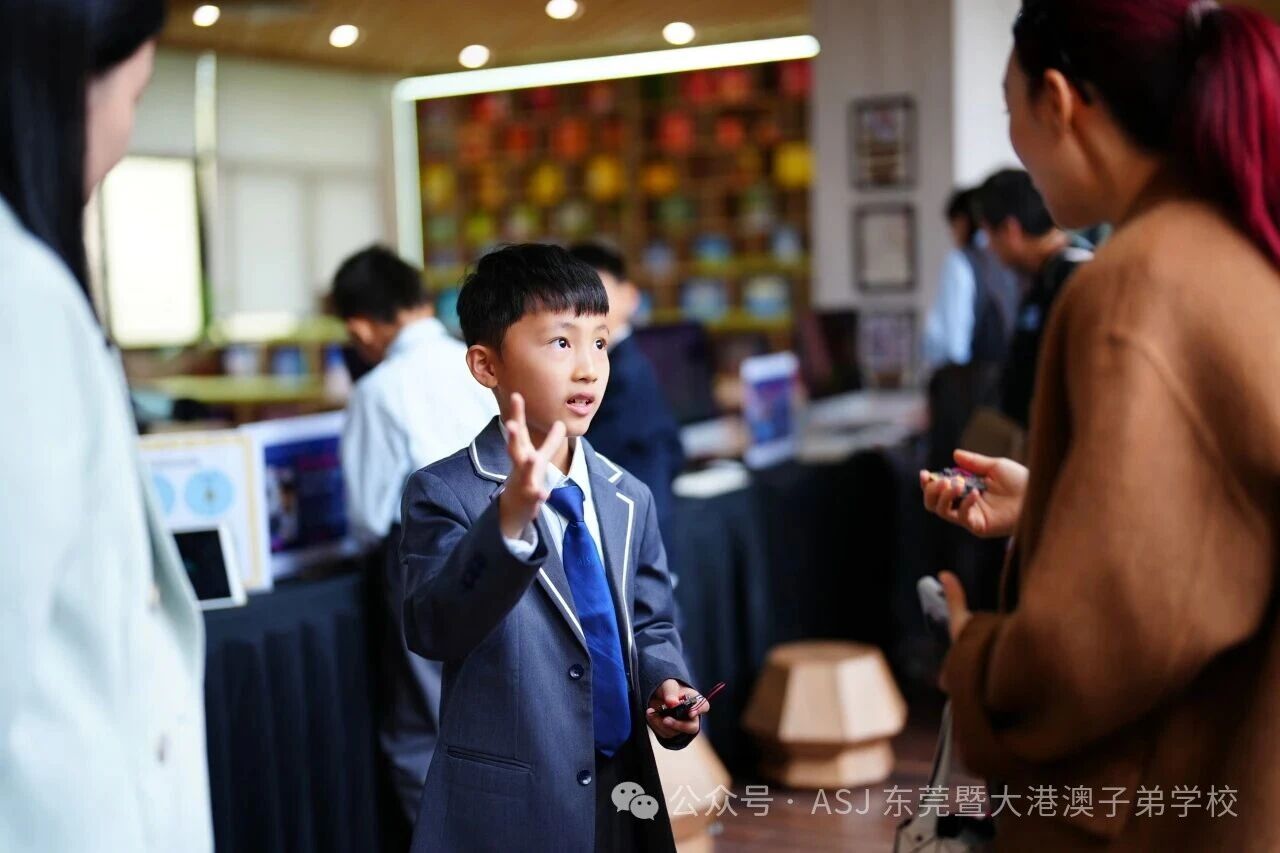
“Let me try first.”
“让我先试试看。”
?
“Can we test another way?”
“我们可以换一种方法吗?”
?
“Our first idea didn’t work, so we changed the plan.”
“第一次没有成功,所以我们调整了计划。”
These are simple sentences, but they reveal something important. The child is no longer waiting only for instructions. They are beginning to think, decide and take part in shaping their own learning.
这些话听起来很简单,却呈现出一种重要的变化:孩子不再只是等待老师给出指令,而是开始主动思考、作出决定,并参与规划自己的学习。
This is student agency.
这就是学习能动性。
More Than Being “Self-Motivated”
不只是“自觉学习”
Student agency is sometimes understood as independence or self-motivation. However, completing work without reminders is only one small part of it.
学习能动性有时会被理解为独立或自觉,但“不需要提醒便能完成任务”只是其中很小的一部分。
A student with agency can express an idea, make a considered choice and explain the thinking behind it. When difficulties arise, they do not simply wait for someone else to solve the problem. They learn to review what happened, respond to feedback and decide what to do next.
具备学习能动性的学生能够表达观点、经过思考作出选择,并说明自己为什么这样决定。遇到困难时,他们不会只等待别人解决问题,而是逐渐学会回顾过程、回应反馈,并思考下一步行动。
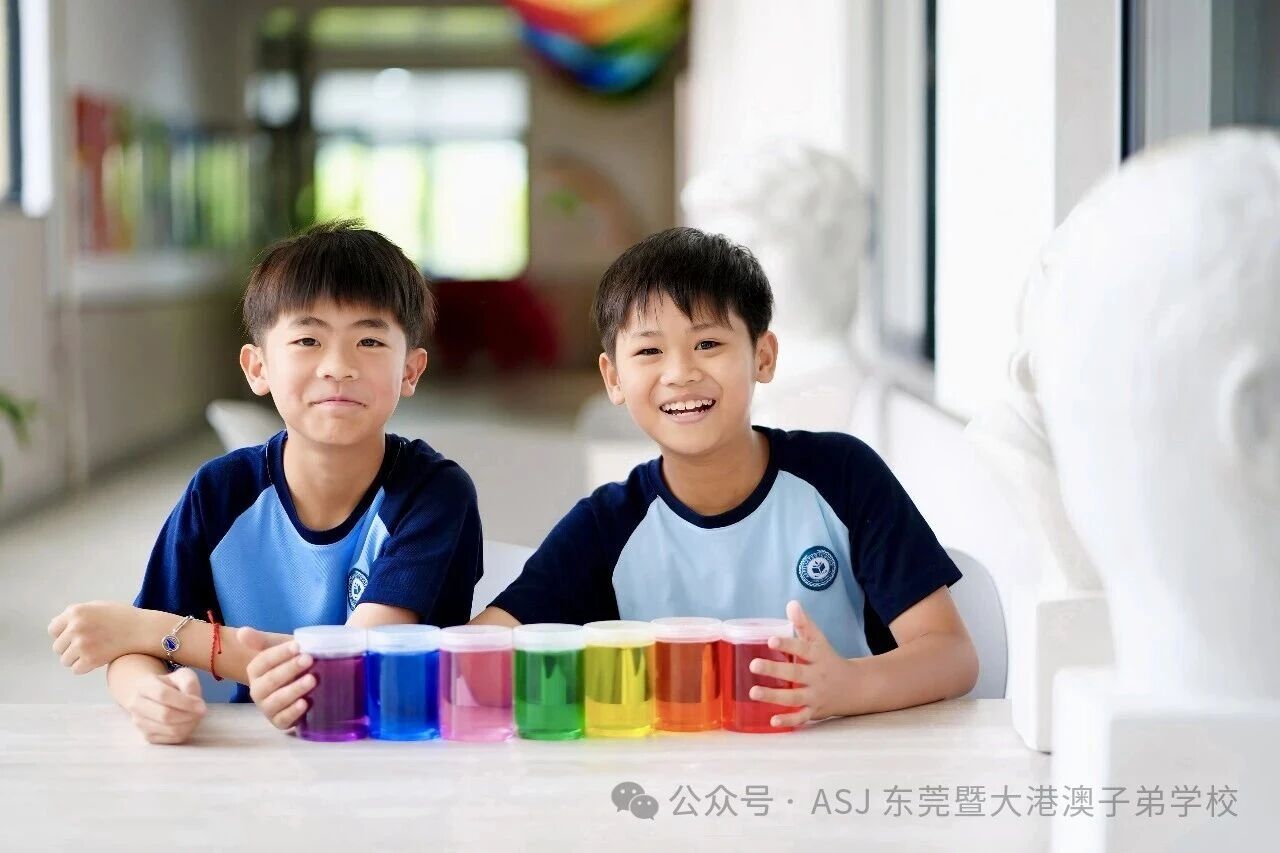
Within the IB PYP, this can be seen through three connected elements:
在IB PYP中,学习能动性主要体现在三个相互关联的方面:
Voice
表达
expressing ideas and asking meaningful questions
说出自己的想法,提出有意义的问题
Choice
选择
making decisions with purpose
有依据、有目标地作出决定
Ownership
担当
taking responsibility for the process and outcome
对学习过程和结果承担责任
At Dongguan ASJ, these elements are embedded in everyday learning from K1 to Grade 6.
在东莞ASJ,这些能力贯穿K1至六年级的日常学习。
It Begins When Children Are Trusted to Try
从一次被信任的尝试开始
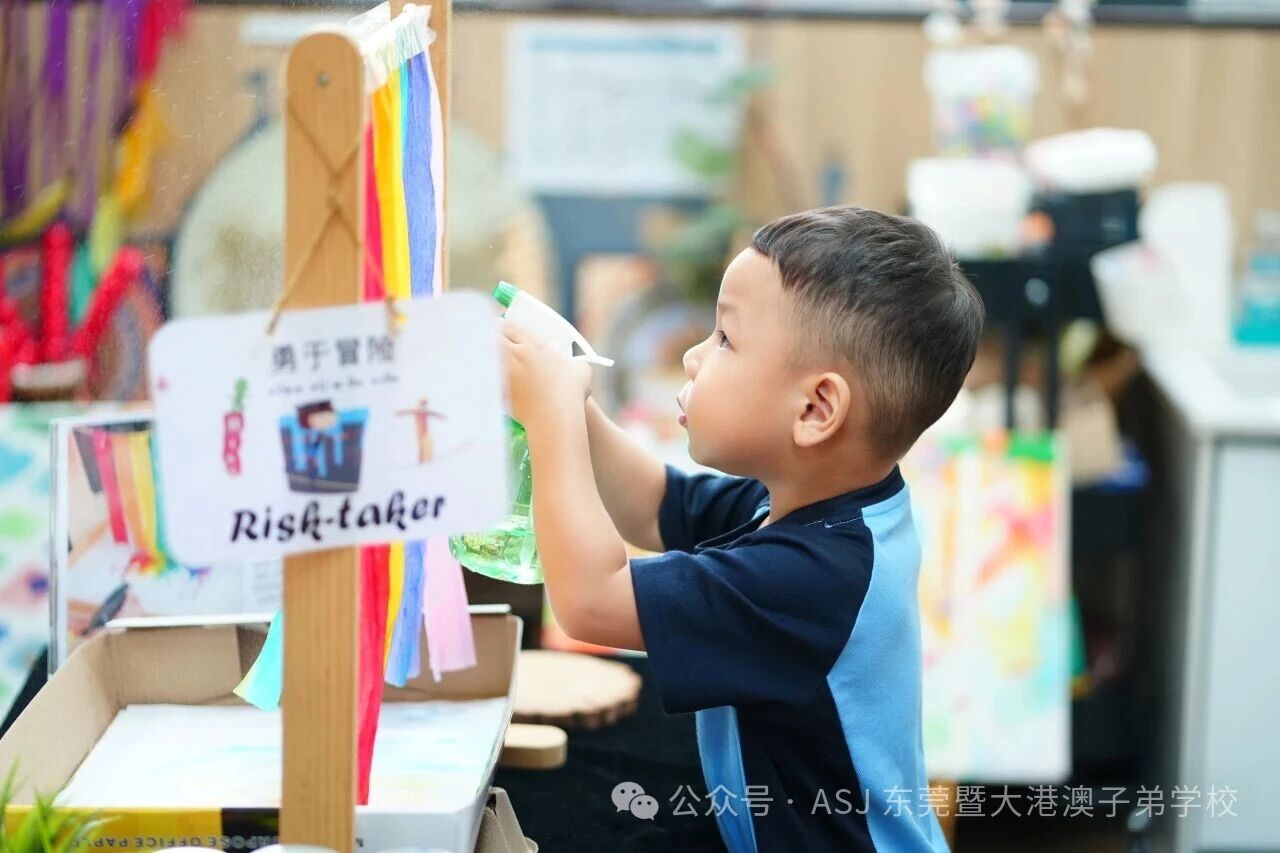
For young children, agency often begins before they can explain the word “learning”.
对于幼儿来说,学习能动性往往在他们还无法解释“学习”是什么时,就已经开始萌芽。
It appears when a child selects the materials they need, finds a solution during play, communicates a feeling or tries to complete an everyday task independently.
当孩子选择自己需要的材料、在游戏中寻找解决方法、表达自己的感受,或尝试独立完成一项日常任务时,学习能动性就正在发生。
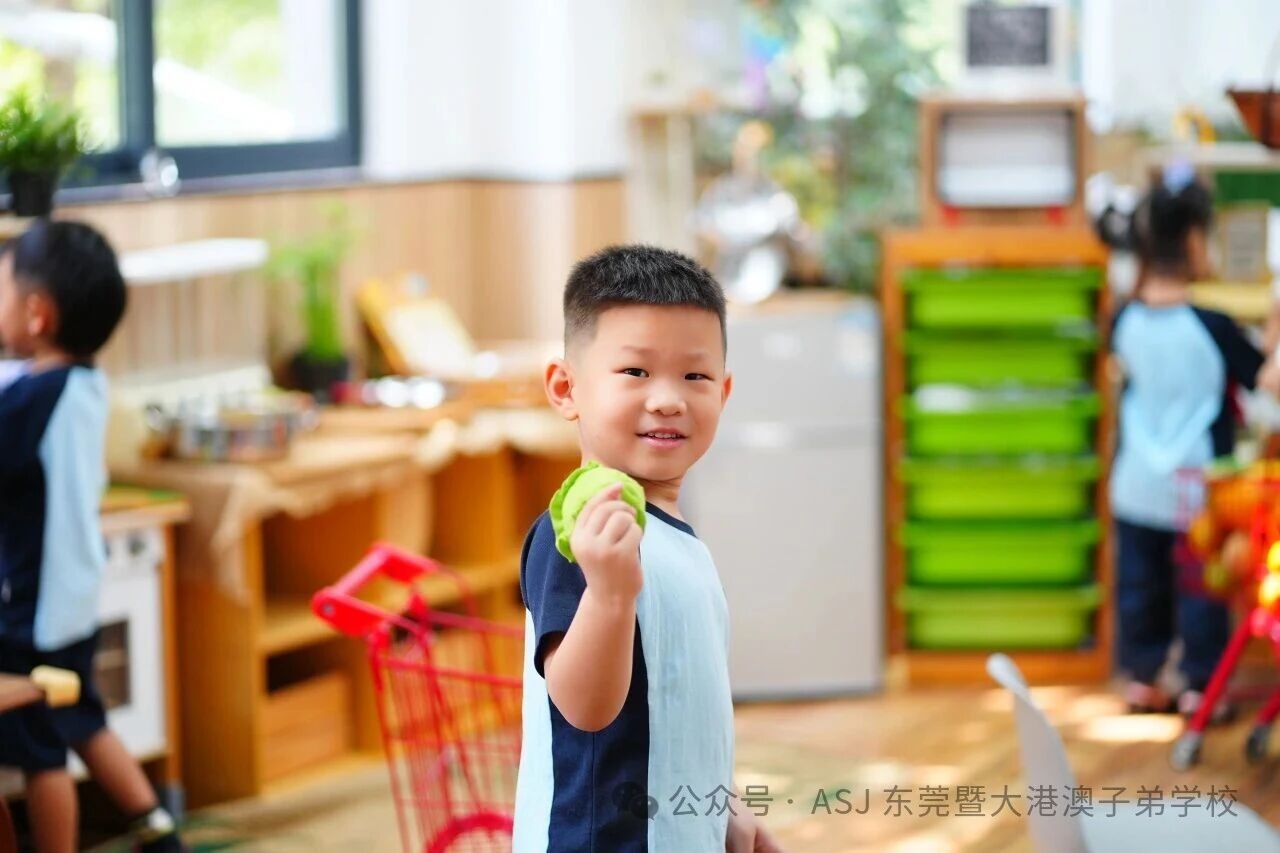
In these moments, the teacher does not rush to complete the task for the child. Instead, the teacher observes, asks a helpful question and provides support when it is needed.
在这些时刻,老师不会急着替孩子完成任务,而是通过观察、提问和适时支持,为孩子保留亲自尝试的机会。
The message the child receives is powerful:
孩子从中接收到的信息非常重要:
“You are capable.
Your thinking matters.
You can have another try.”
“你有能力做到。
你的想法很重要。
你还可以再试一次。”
Independence grows from repeated opportunities to act — not from adults immediately providing every answer.
真正的独立来自一次次亲自行动的机会,而不是成人立即给出所有答案。
Questions Give Learning a New Direction
问题让学习产生新的方向
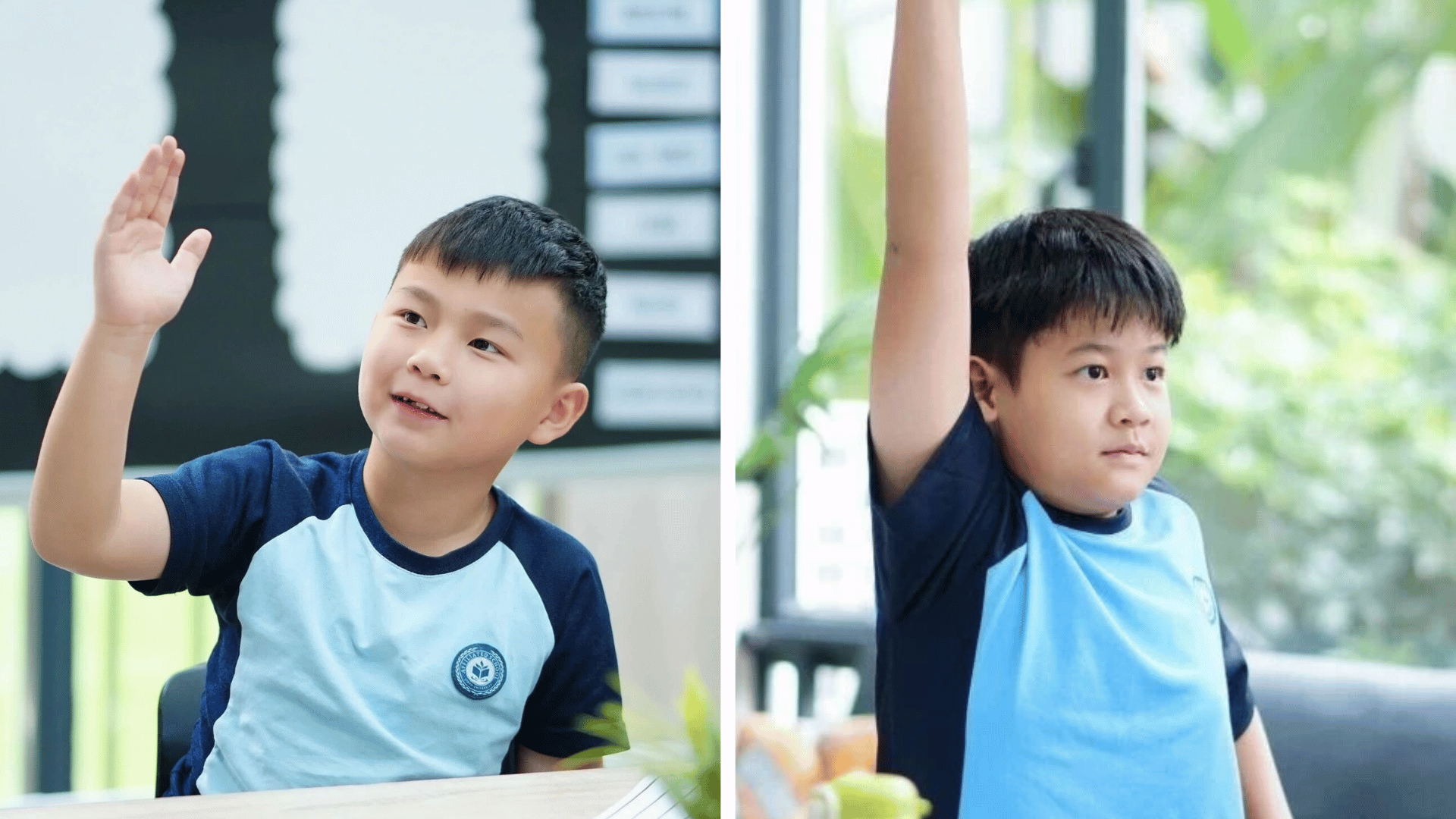
As students progress through Primary School, their questions begin to play a greater role in the classroom.
进入小学阶段后,学生提出的问题开始在课堂中发挥更大的作用。
During an inquiry, students may notice something unexpected, challenge an assumption or suggest another possibility:
在探究过程中,他们可能发现一个意料之外的现象、质疑原有判断,或提出另一种可能:
A thoughtful question can reshape a discussion, lead to a new investigation or reveal a connection between different subjects.
一个经过思考的问题,可能改变课堂讨论的方向,开启一次新的探究,也可能帮助学生发现不同学科之间的联系。
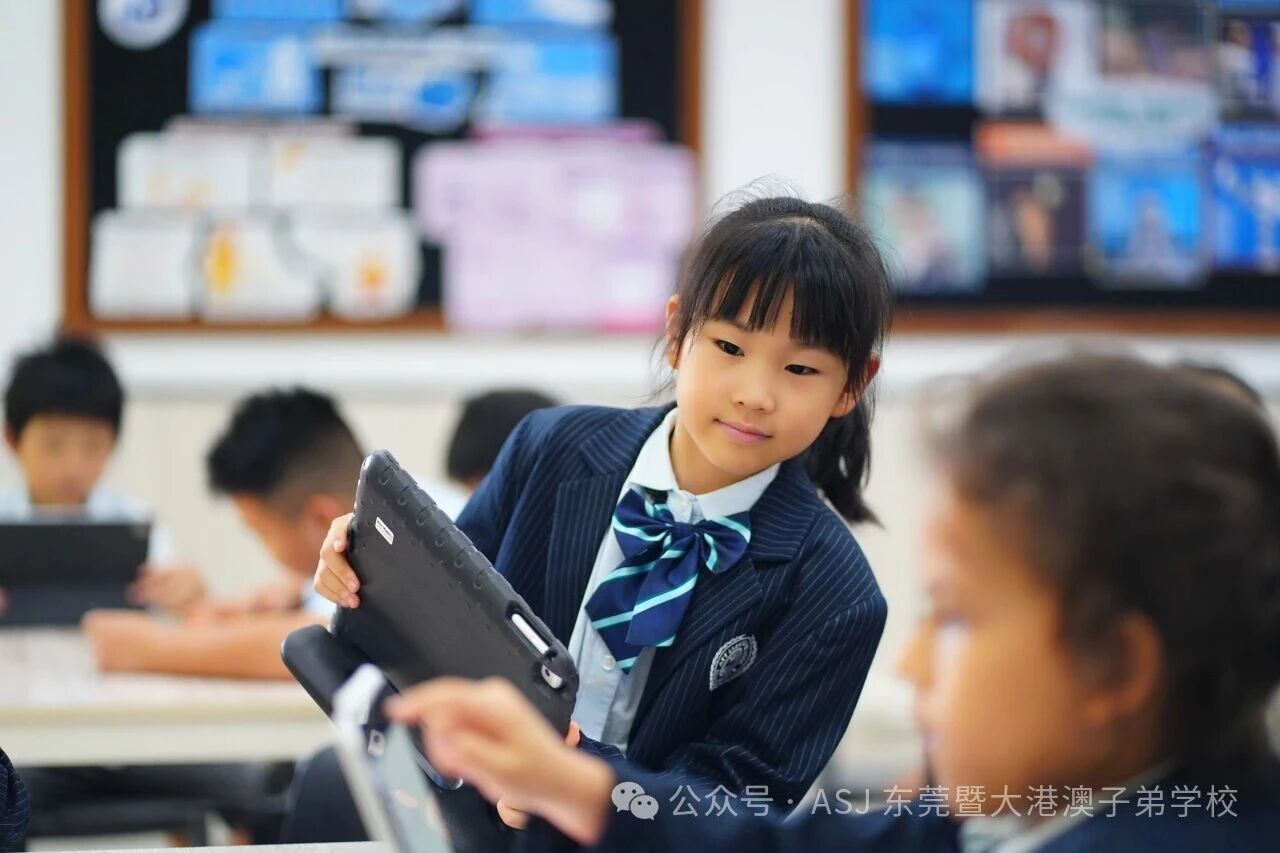
Whether students are conducting a science investigation, discussing a text or exploring a real-world issue, they learn that inquiry is not about guessing what the teacher wants them to say. It is about developing ideas and supporting them with reasons and evidence.
无论是在开展科学实验、讨论文本,还是探究真实世界的问题,学生都会逐渐明白:探究并不是猜测老师希望听到什么,而是形成自己的观点,并用理由和证据加以支持。
Choice Must Be Followed by Thinking
选择之后,要说明理由
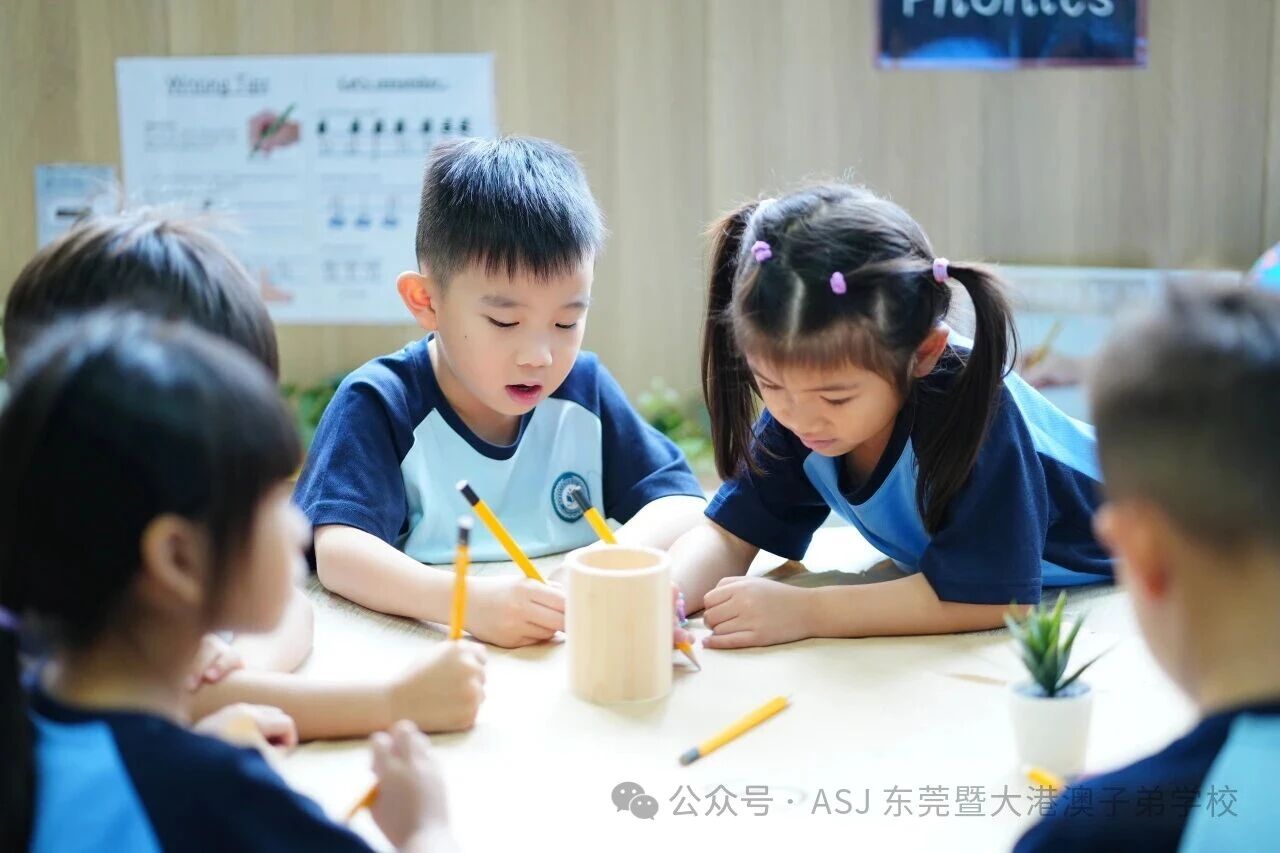
Giving students agency does not mean removing structure from the classroom.
赋予学生学习能动性,并不意味着课堂不再需要规则和结构。
At ASJ, teachers carefully design age-appropriate choices. A student might decide which question to investigate, which resources to use, how to divide responsibilities within a group or how to demonstrate their understanding.
在ASJ,老师会根据学生的年龄和学习需要设计适当的选择空间。学生可能需要决定探究哪个问题、使用哪些资料、如何进行小组分工,或采用什么方式展示自己的理解。
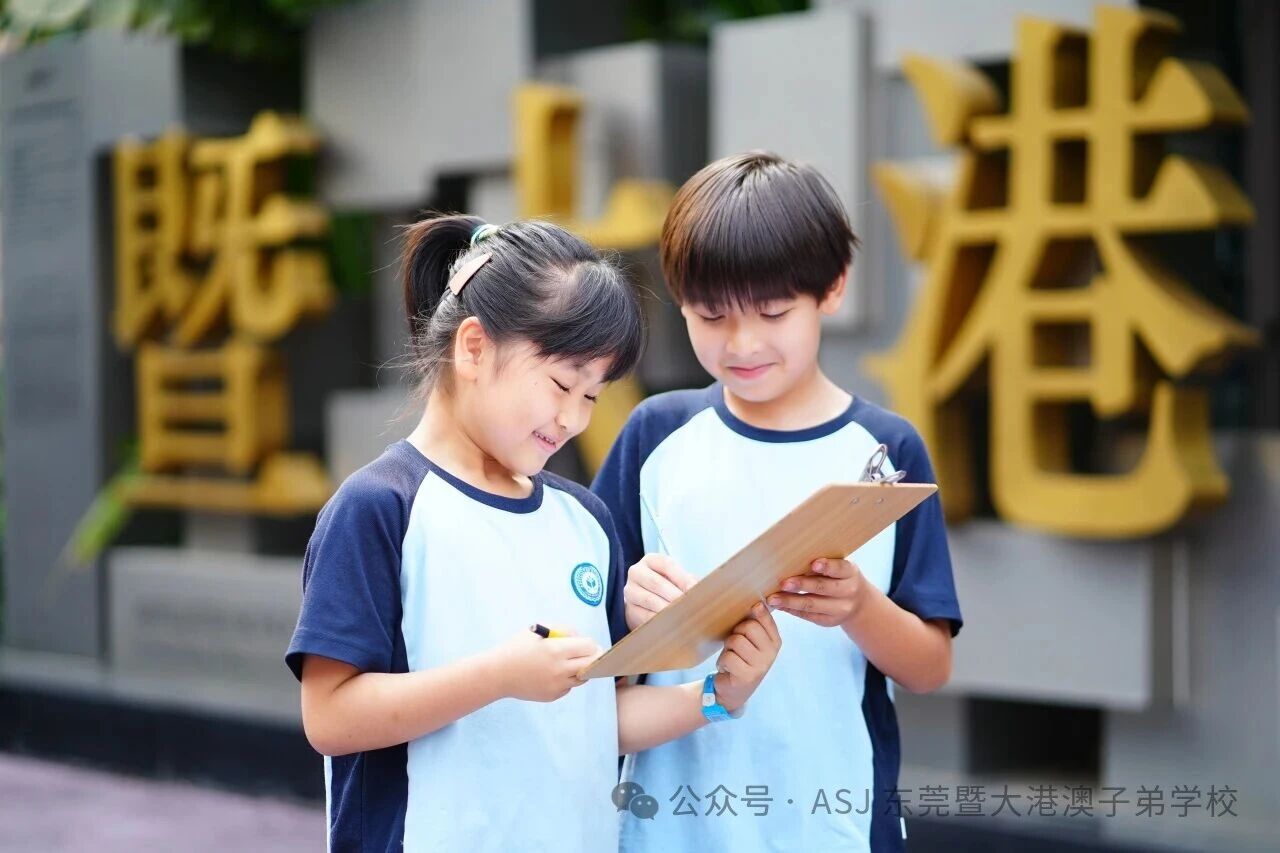
The important part is not simply having a choice. Students are also encouraged to explain:
重点并不只是“拥有选择”,学生还需要进一步说明:
In this way, choice becomes more than personal preference. It becomes an opportunity to practise judgement.
这样一来,选择便不只是个人喜好,而是一次练习判断力的机会。
Growth Is Often Visible in the Second Attempt
成长往往出现在第二次尝试中
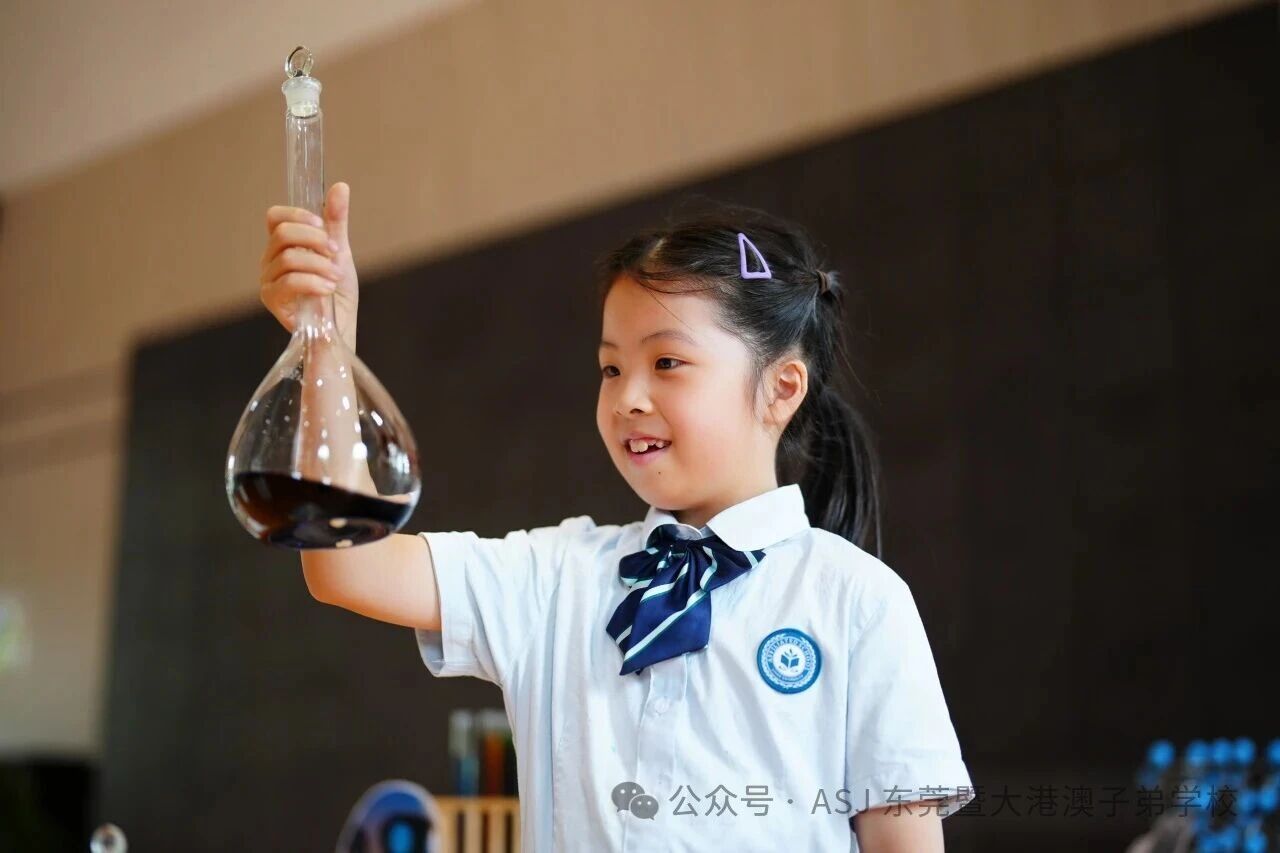
Student agency is not only visible when a project succeeds.
学习能动性并不只体现在项目成功的时候。
It can often be seen more clearly when a student receives feedback, discovers that an idea is incomplete or realises that a plan is not working.
当学生收到反馈、发现自己的想法还不完整,或意识到原来的计划行不通时,我们反而更容易看见学习能动性的成长。
Reflection helps students understand that improvement is part of learning. Revising a paragraph, rebuilding a model, changing an experiment or reconsidering a group plan are not signs of failure. They are evidence that learning is still moving forward.
反思帮助学生认识到,改进本身就是学习的一部分。修改一段文字、重新搭建模型、调整实验方法或重新考虑小组计划,都不代表失败,而是学习仍在继续发生的证明。
From Inquiry to Meaningful Action
从探究走向有意义的行动

By Grade 6, students have had years of experience asking questions, making decisions, collaborating and reflecting.
到了六年级,学生已经积累了多年提问、选择、合作和反思的经验。
The G6 PYP Exhibition brings these abilities together. Students explore issues that are meaningful to them, develop lines of inquiry, gather and evaluate information, communicate their understanding and consider how their learning might lead to action.
六年级PYP学习成果展将这些能力连接起来。学生围绕自己真正关心的议题展开探究,确定探究方向,收集并判断信息,呈现自己的理解,同时思考如何将学习进一步转化为行动。
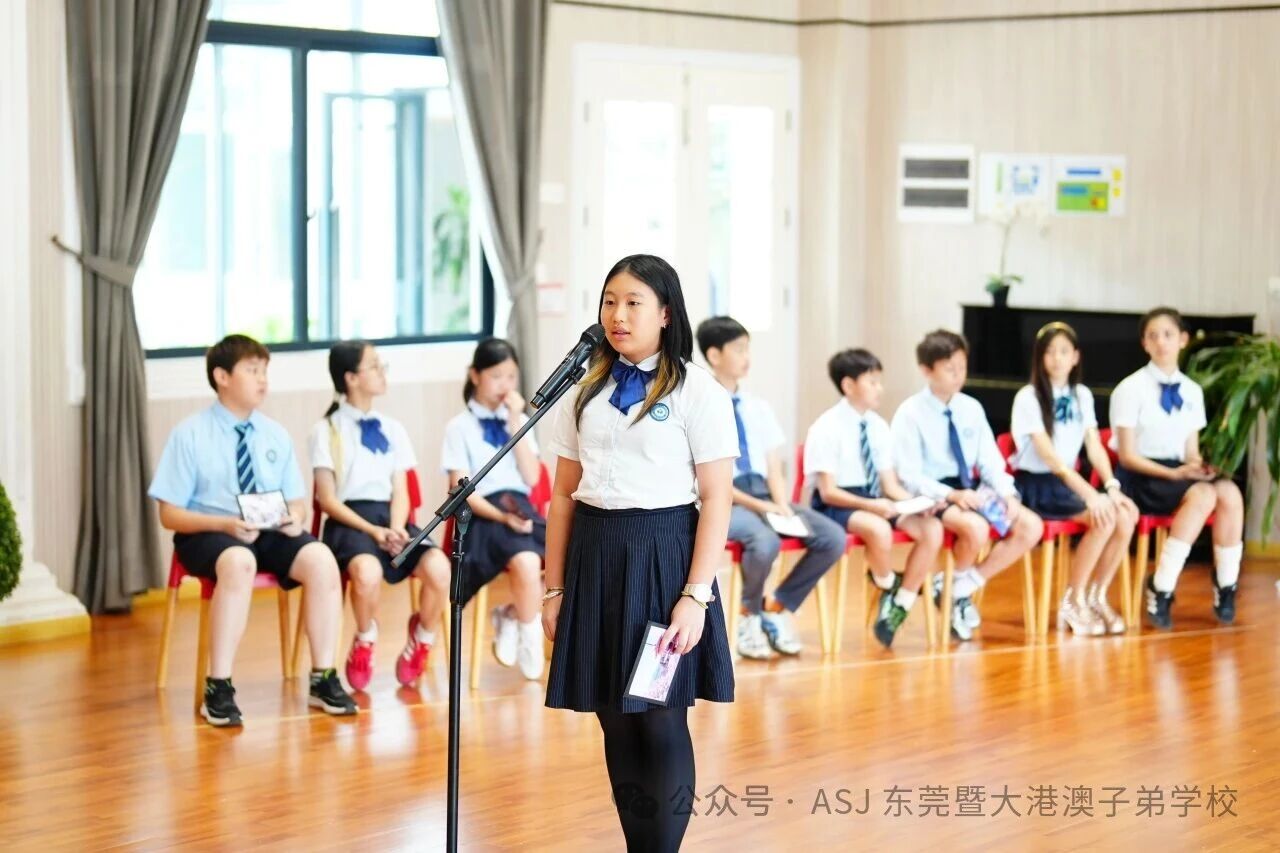
The exhibition is not simply a final presentation. What matters is the decision-making behind it:
学习成果展并不只是一场最终展示,更重要的是成果背后的一系列决定:
When students can explain these decisions, they demonstrate more than subject knowledge. They show that they understand themselves as learners.
当学生能够解释这些决定时,他们所展现的便不只是学科知识,更是对“自己如何学习”的理解。
The Teacher’s Role Remains Essential
老师的引导依然不可或缺
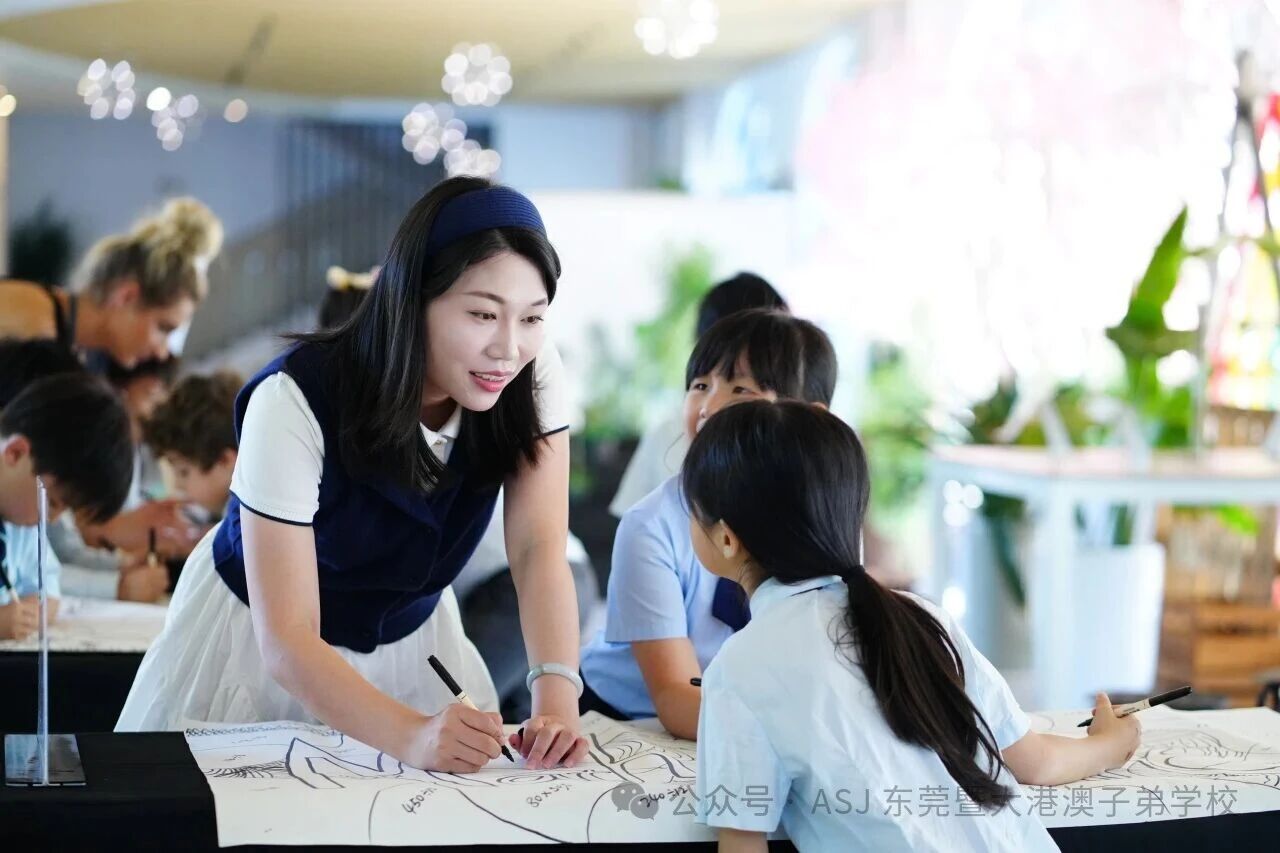
A classroom that values student agency is not a classroom without teacher direction.
重视学生能动性的课堂,并不是没有教师引导的课堂。
Teachers create the conditions in which meaningful choices can happen. They establish clear expectations, introduce effective strategies, ask questions that deepen thinking and provide feedback that helps students move forward.
老师需要为有意义的选择创造条件:建立清晰的学习要求、示范有效方法、提出能够推动深度思考的问题,并提供帮助学生继续前进的反馈。
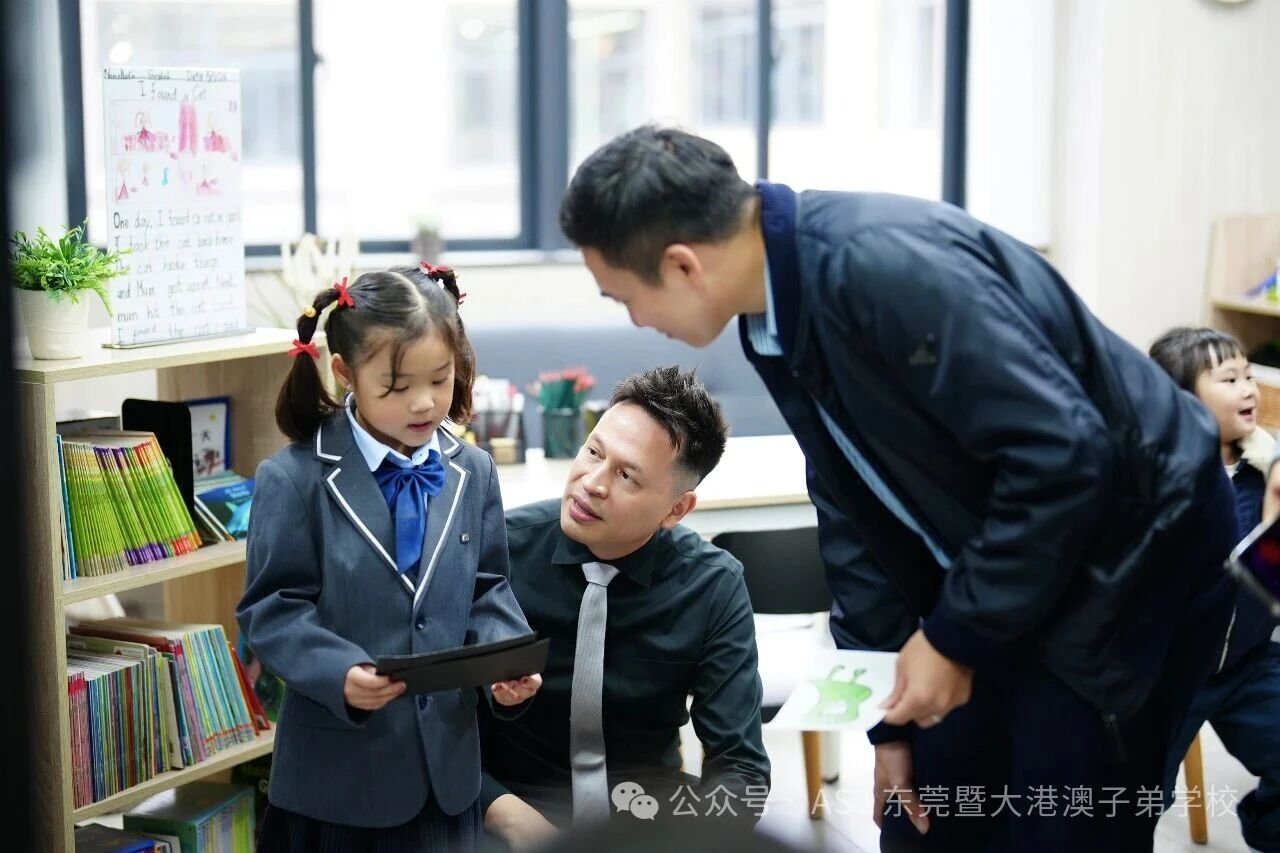
The balance is important. Too much adult control leaves little space for student thinking. Too little guidance can leave students unsure of how to proceed.
这种平衡非常重要。成人控制过多,学生便缺少自主思考的空间;支持不足,学生则可能不知道应该如何继续。
Effective guidance gives students enough support to succeed and enough space to become increasingly independent.
有效的引导,既为学生提供取得进步所需的支持,也为他们逐渐走向独立保留足够的空间。
Learning That Belongs to the Learner
让学习真正属于孩子
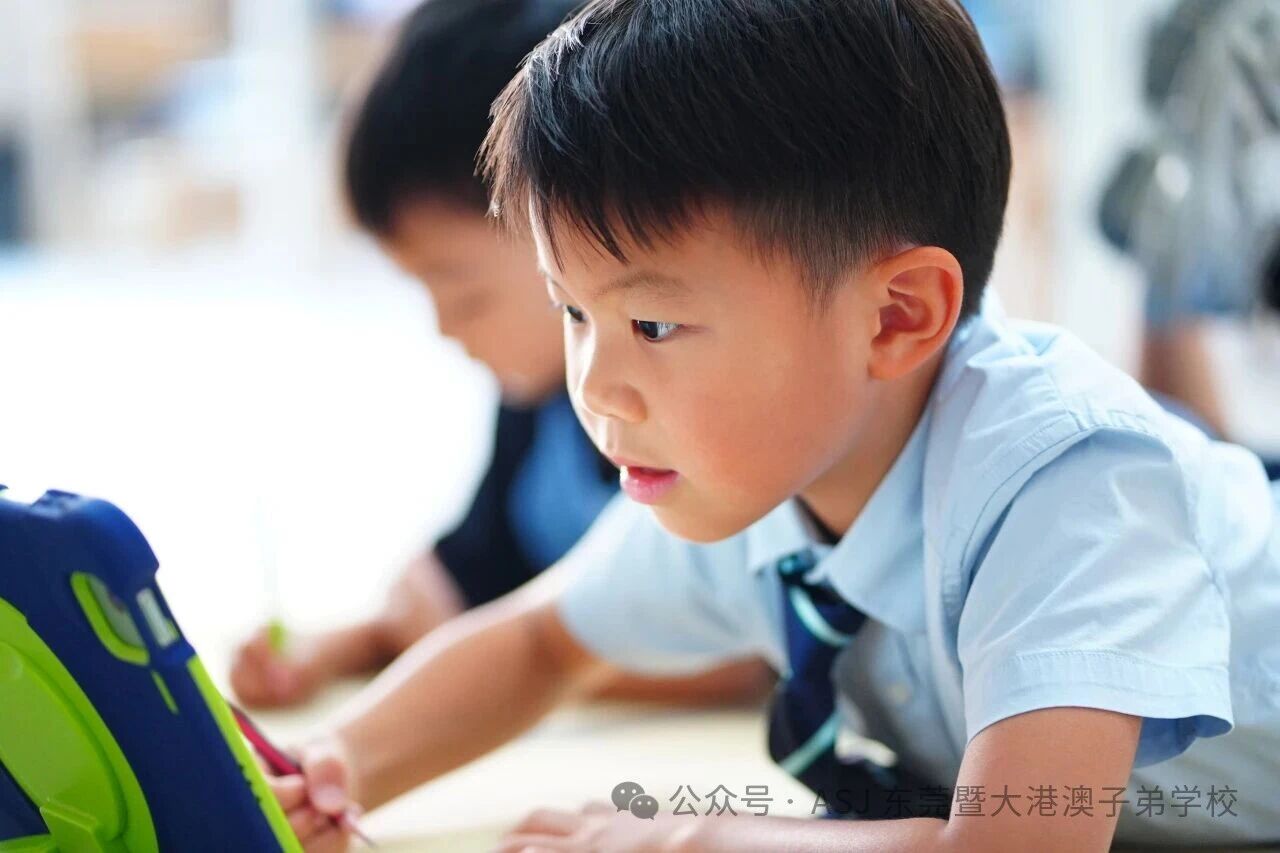
From choosing a material in K1 to leading an inquiry in Grade 6, student agency grows through hundreds of everyday decisions.
从K1选择一种探索材料,到六年级主导一项深入探究,学习能动性成长于日积月累的每一次决定之中。
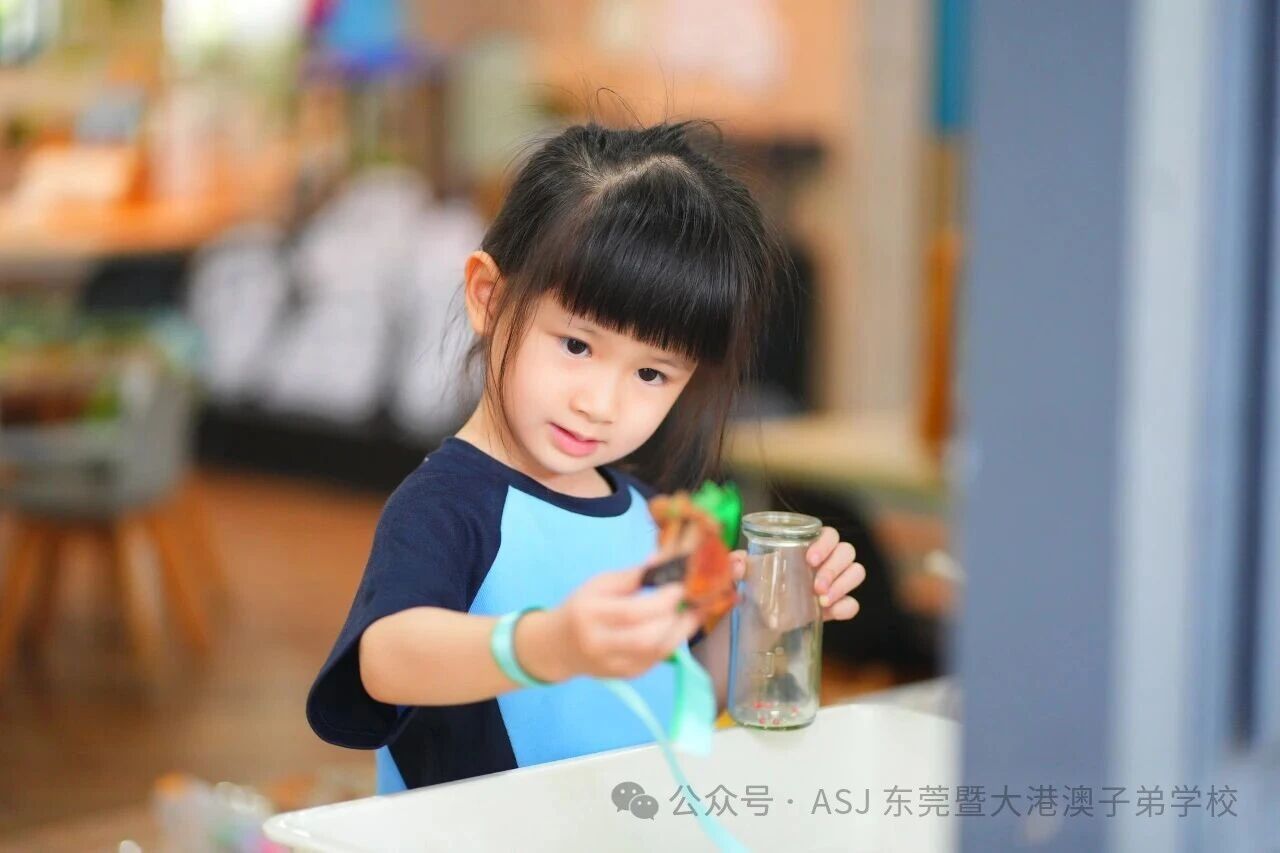
Some decisions are small. Others require research, collaboration and courage. Together, they help students become more confident in expressing their ideas, more thoughtful in making choices and more responsible for the actions that follow.
有些决定看似微小,有些则需要深入研究、团队合作与勇气。正是这些经历,让学生更有信心表达观点,更审慎地作出选择,也更愿意为随后的行动承担责任。
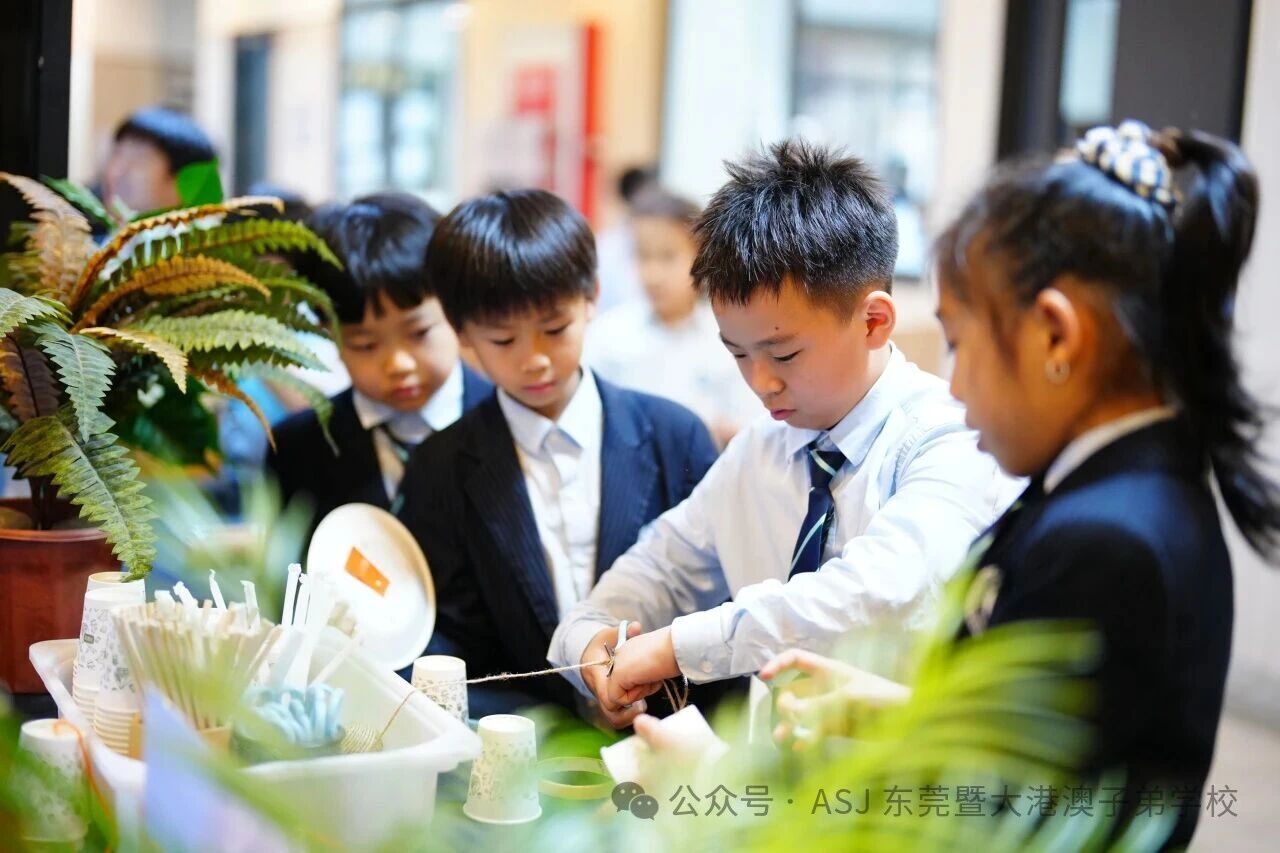
At Dongguan ASJ, our goal is not only to help students know more.
在东莞ASJ,我们的目标不只是让学生掌握更多知识。
It is to help them recognise that their voice has value, their choices have purpose and their actions can make a difference.
我们更希望孩子认识到:自身的声音具备价值,所作选择承载意义,个人行动能够带来改变。

学校地址:广东省东莞市高埗镇广场北路19号
学校邮箱: enquiry@asj-dg.com
招生电话: (+86)0769-88785333
邮政编码:523270
